Where to Recycle Your TV: Your Local Guide
You can recycle your old TV at dedicated e-waste recycling centers, electronics retailers, or through local government collection events. Many areas offer special drop-off points for electronics, ensuring your old TV is disposed of responsibly and doesn’t end up in a landfill. Finding a recycling location is often easier than you might think.
Old televisions contain materials that can be harmful if not handled properly. Recycling them properly helps recover valuable components and prevents hazardous substances from polluting the environment. We found that many electronics manufacturers also offer take-back programs for their products, which is a convenient option.
- Look for e-waste recycling centers in your area.
- Check with electronics retailers for recycling options.
- Participate in local government collection events.
- Some manufacturers have take-back programs.
Let’s walk through the different ways you can responsibly recycle your old TV, step by step.
Finding the Right Spot to Recycle Your Old TV
Got an old TV that’s seen better days? Don’t let it become a bulky eyesore or an environmental hazard. You’re in luck because recycling your television is easier than you might think. We’ve found several convenient ways to ensure your old screen gets a new life, or at least a safe disposal.
Dedicated E-Waste Recycling Centers
These centers are specifically designed to handle electronic waste. They have the proper equipment to dismantle TVs safely. They also know how to extract and manage the hazardous materials often found inside. Think of them as the specialized doctors for your electronic gadgets.
You can usually find these facilities by searching online. Use terms like “e-waste recycling near me” or “TV recycling [your city name]”. Many counties or local waste management authorities list approved recycling centers on their websites. This is often the most thorough option for responsible disposal.
What Happens at an E-Waste Center?
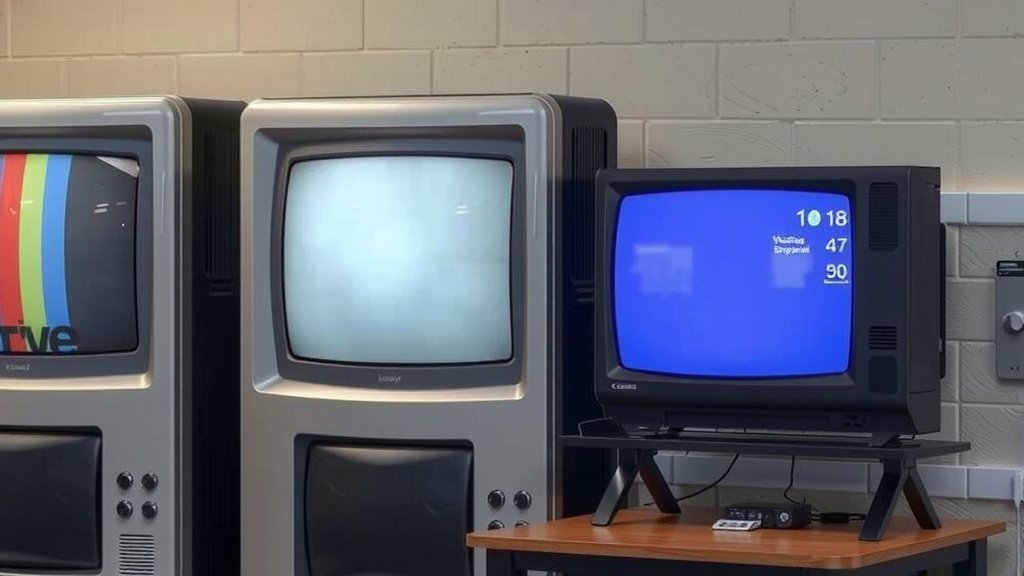
When you drop off your TV, trained professionals take over. They’ll carefully separate components like glass, plastic, and metal. Hazardous substances, such as lead in older cathode ray tube (CRT) TVs, are handled with extreme care. This prevents them from leaching into the soil or water.
After sorting, materials are sent to specialized recyclers. Metals might be melted down for reuse. Plastics can be transformed into new products. It’s a whole ecosystem dedicated to giving old electronics a second chance.
Electronics Retailers with Take-Back Programs
Many major electronics retailers understand the importance of recycling. They often have in-store drop-off points or offer mail-in programs. This is a fantastic option if you’re already shopping for a new TV. You can simply bring your old one along.
Some retailers offer this service for free, especially if you’re purchasing a new item from them. Others might charge a small fee to cover recycling costs. It’s always best to check the specific retailer’s policy before you visit. Best Buy and Staples are two well-known examples that often have recycling programs.
Checking Retailer Policies
Before heading out, visit the retailer’s website. Look for sections like “Recycling,” “Sustainability,” or “Services.” You can also call the store directly. Ask about their TV recycling program and any associated fees or requirements. Some may only accept certain types or sizes of televisions.
Local Government and Municipal Collection Events
Your local government often organizes special collection events for household hazardous waste, including electronics. These events are usually held a few times a year. They provide a convenient and often free way to dispose of bulky items like TVs.
Keep an eye on your city or county’s official website. They will announce dates, times, and locations for these events. Local newspapers or community notice boards are also good places to check. These events are a great community service, making it easier for everyone to recycle responsibly.
What to Expect at a Collection Event
These events are typically drive-through affairs. You’ll drive your car to the designated area, and volunteers or staff will help unload your old TV. It’s important to follow any instructions provided to ensure safety and efficiency. This is a real lifesaver for getting rid of items that curbside pickup won’t take.
Manufacturer Take-Back Programs
Did you know that the company that made your TV might also take it back? Many electronics manufacturers have their own recycling initiatives. These programs are often part of their commitment to environmental responsibility.
You can usually find information about these programs on the manufacturer’s website. Look for their “sustainability” or “recycling” pages. Some may offer shipping labels or partner with specific recycling facilities. It’s a good way to close the loop and ensure the product is handled by the people who know it best.
Finding Drop-Off Locations: A Simple Checklist
To make your search even easier, here’s a quick checklist:
- Search online for “e-waste recycling centers” in your zip code.
- Check the websites of major electronics retailers (e.g., Best Buy) for their recycling services.
- Visit your local government’s waste management or public works website for collection event schedules.
- Look up the specific manufacturer of your TV to see if they have a take-back program.
- Call your local waste management authority if you can’t find information online. They can often point you in the right direction.
Understanding Different TV Types and Recycling
The type of TV you have can sometimes influence recycling options. Older CRT televisions contain more leaded glass and require special handling. Newer flat-screen TVs (LCD, LED, Plasma) are generally easier to recycle but still contain valuable materials and potentially hazardous components like mercury in some older backlights.
Many recycling programs accept all types of TVs. However, it’s wise to confirm. Some specialized facilities might be better equipped for older CRT models. When in doubt, always ask the recycling center or retailer about their acceptance policy for your specific TV type.
| Recycling Option | Pros | Cons | Best For |
|---|---|---|---|
| E-Waste Centers | Specialized handling, often accept all types. | May require a trip, some charge fees. | Anyone needing thorough, responsible disposal. |
| Electronics Retailers | Convenient, especially when buying new. | Policies vary, some have fees or size limits. | Those upgrading their electronics. |
| Collection Events | Often free, good for bulk items. | Infrequent, limited dates and locations. | People who can wait for an event. |
| Manufacturer Programs | Directly from the source, environmentally focused. | May involve shipping, availability varies. | Those wanting to support brand initiatives. |
Recycling your old TV is a responsible choice that benefits everyone. By using these resources, you’re helping to conserve natural resources and protect the environment. So, gather up that old set and get it to a recycling spot!
Conclusion
You’ve learned that recycling your old TV is more accessible than you might think. We’ve seen that dedicated e-waste centers, electronics retailers, and local government events are all great options. Even manufacturer take-back programs offer a responsible path. Choosing any of these methods helps protect our environment from harmful materials and recovers useful components. Your next step is simple: identify the best option from the ones we discussed and get that old TV out of your home and into a proper recycling stream.
Frequently Asked Questions
Is it free to recycle my old TV?
Recycling your TV can often be free, especially through local government collection events or sometimes at e-waste centers. Some electronics retailers might also offer free recycling, particularly if you’re purchasing a new TV from them. However, be aware that some locations or retailers may charge a small fee to cover their processing costs.
Can I just put my old TV on the curb for recycling?
Unfortunately, you generally cannot put old TVs on the curb for regular trash pickup. Most municipal waste services do not accept them due to their size and the hazardous materials they contain. You’ll need to seek out a dedicated recycling option like those discussed in the article.
What if my TV is broken or very old (like a CRT)?
Broken or older CRT TVs can still be recycled! E-waste recycling centers are specifically equipped to handle these items safely. They know how to manage the leaded glass in CRTs and other potentially hazardous components. Just be sure to mention the type of TV when you check with a recycling facility.
How much does it typically cost to recycle a TV?
The cost can vary, but many options are free or low-cost. Government collection events are often free. Some e-waste centers might charge a nominal fee, perhaps between $10-$30, depending on the size and type of TV. Retailer programs can range from free to a small charge as well.
What happens to the TV parts after they are recycled?
Recycled TVs are carefully dismantled. Valuable materials like metals (copper, aluminum, steel) are separated and sent to be melted down for reuse. Plastics can be processed into new plastic products. Hazardous components like lead and mercury are managed and disposed of safely by specialized handlers.