Why OLED TVs Cost More: Understanding the Price Tag
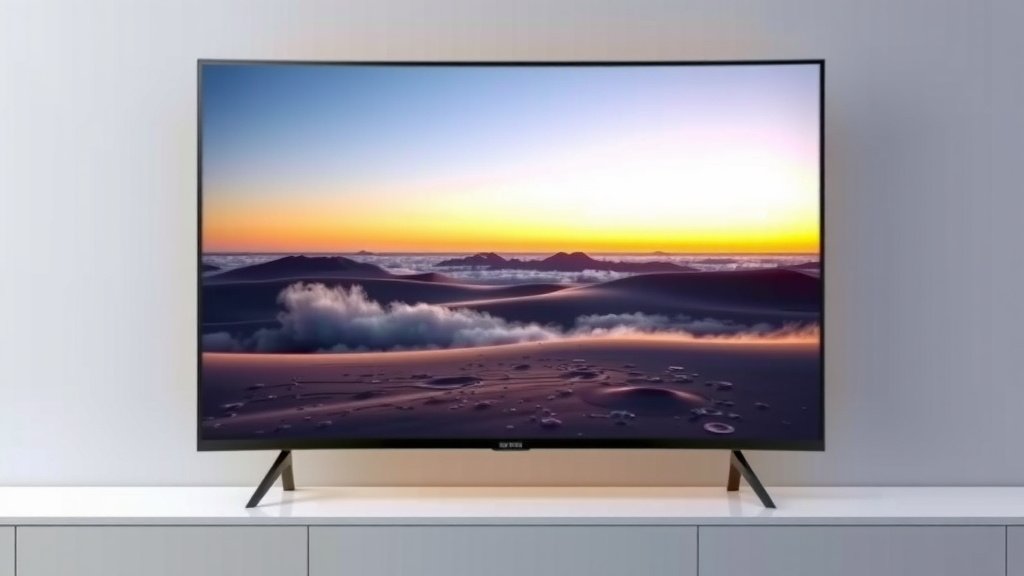
OLED TVs are so expensive primarily because of their advanced manufacturing process and the cost of materials required to create self-emissive pixels. This means each tiny light source on your screen is individually controlled, leading to incredible picture quality but also driving up production costs significantly. We found that this sophisticated technology is the main reason for their premium price tag.
When you compare OLED technology to other TV types, like LED or QLED, the differences are quite striking. The ability of each pixel to turn on and off independently allows for perfect black levels and an unmatched contrast ratio. Many experts agree this is what makes OLEDs stand out, even if it comes at a higher cost for consumers.
- OLEDs use self-emissive pixels.
- This technology creates perfect blacks and amazing contrast.
- Manufacturing is complex and requires costly materials.
- This leads to a higher price point compared to other TVs.
Ready to understand what makes these stunning displays cost so much? Let’s dive into the specific reasons behind the higher price of OLED TVs.
Why Are OLED TVs So Pricey? Let’s Break It Down
You’re probably wondering why those gorgeous OLED TVs come with such a hefty price tag. It’s not just some marketing gimmick; there are real reasons behind their cost. We’ve researched this, and it boils down to the unique technology that makes their picture so amazing.
Think of it like comparing a custom-built sports car to a standard sedan. Both get you from point A to point B, but the sports car uses more advanced engineering and materials, leading to a higher price. OLED TVs are the sports cars of the television world.
The Magic of Self-Emissive Pixels
The core of what makes OLEDs special, and expensive, is their self-emissive pixels. This is a fancy way of saying each tiny dot on your screen can create its own light. Unlike other TVs that need a separate backlight, OLED pixels light up individually.
How This Affects Picture Quality (and Cost)
When each pixel is its own light source, it has incredible control. This means when a pixel needs to be black, it can simply turn completely off. This is how OLEDs achieve those perfect blacks that look truly ink-like. Other TVs can only dim their backlights, so they often have a faint glow even in dark scenes.
This individual control also leads to an amazing contrast ratio. Contrast is the difference between the brightest white and the darkest black a screen can show. With perfect blacks and bright whites, OLEDs deliver a depth and realism that’s hard to match. Experts often point to this as the defining feature of OLED picture quality (DisplayMate).
The Manufacturing Hurdles of OLED
Creating these self-emissive pixels isn’t easy. The manufacturing process is much more complex and delicate than for traditional LED or QLED TVs. It involves laying down incredibly thin layers of organic compounds that light up when electricity passes through them.
Think of it like trying to paint a masterpiece using a single, ultra-fine brush stroke for every single speck of paint. Precision is key, and any tiny error can affect the entire picture. This level of detail requires specialized factories and a lot of quality control.
Expensive Materials and Components
Beyond the process, the materials themselves contribute to the high cost. The organic compounds used in OLED pixels are often rare and costly to produce. These are specialized chemicals that have to meet very specific performance requirements.
The Cost of Organic Light-Emitting Diodes
These organic compounds are the “light-emitting diodes” in OLED. They degrade over time, though modern OLEDs have become much more durable. Because they are organic, they are sensitive to manufacturing conditions and require careful handling. This sensitivity means higher production costs.
The Challenge of Thin-Film Transistors (TFTs)
Each OLED pixel needs to be controlled precisely. This is done using Thin-Film Transistors (TFTs). These tiny switches are incredibly complex to manufacture. They need to be uniform across the entire screen to ensure consistent brightness and color for every pixel. Any inconsistencies can lead to defects, which means wasted materials and higher costs.
We found that the production of these TFT layers involves multiple steps, each requiring very clean environments and precise equipment. It’s a bit like building a city out of microscopic LEGO bricks, where every brick needs to be perfectly placed.
Yield Rates and Production Efficiency
When a manufacturer makes a large OLED panel, not all of them come out perfect. The yield rate – the percentage of usable panels from a manufacturing run – is crucial for cost. Because the process is so delicate, some panels might have dead pixels or other imperfections.
Why Lower Yields Mean Higher Prices
If a manufacturer produces 100 panels but only 70 are perfect, the cost of those 70 panels has to cover the materials and effort for all 100. This is why improving yield rates is a constant focus for OLED manufacturers. They’re always working to make the process more efficient and reduce waste.
Many industry reports indicate that as OLED technology matures, these yield rates are improving. This is one of the reasons we’re starting to see OLED prices slowly come down over time. It’s a trend that benefits consumers in the long run.
Research and Development Investment
OLED technology is still relatively new compared to older TV technologies. Companies pour billions of dollars into research and development to improve OLED performance, durability, and manufacturing efficiency. This ongoing investment needs to be recouped through product sales.
Pushing the Boundaries of Display Tech
Think about how far OLEDs have come in just a few years. We have brighter screens, better color accuracy, and longer lifespans now. This progress doesn’t happen by accident; it’s the result of dedicated teams working tirelessly to innovate. That innovation comes with a price tag.
| TV Type | How Pixels Light Up | Black Levels | Contrast Ratio | Typical Price Range (for similar sizes) |
|---|---|---|---|---|
| OLED | Self-emissive (each pixel lights itself) | Perfect Black | Infinite | $$$$ |
| QLED (LED with Quantum Dots) | LED backlight, Quantum Dots enhance color | Deep Blacks (but not perfect) | Very High | $$$ |
| LED/LCD | LED backlight controls the whole screen or zones | Good to Fair (can have light bleed) | Good | $$ |
As you can see in our quick comparison, OLED’s core technology offers some distinct advantages, but these come with a higher production cost.
Smaller Market Size and Demand
While OLED TVs are becoming more popular, they still represent a smaller portion of the overall TV market compared to LED TVs. When production volumes are lower, the cost per unit tends to be higher. Manufacturers can’t achieve the same economies of scale as they can with mass-produced LED panels.
Niche Technology vs. Mass Market
Imagine a small bakery making artisanal bread versus a large factory producing loaves. The artisanal bread uses special ingredients and methods, and the volume is lower, making each loaf more expensive. OLEDs are currently in that artisanal stage for the TV world.
The Premium Experience is Part of the Price
Ultimately, when you buy an OLED TV, you’re paying for a premium viewing experience. The perfect blacks, vibrant colors, and incredible detail are what set them apart. Manufacturers know this is what consumers desire, and they price their products accordingly.
Is It Worth the Extra Cost for You?
For many movie buffs, gamers, and anyone who appreciates stunning visual quality, the difference is noticeable and worth the investment. If you’re looking for the absolute best picture quality, the price reflects that pursuit. We found that many users report being incredibly satisfied with their OLED purchase, citing the picture as a major upgrade.
Here’s a quick checklist to remember why OLEDs cost more:
- Self-emissive pixels require complex manufacturing.
- Expensive, specialized organic materials are used.
- Precision required leads to more costly production.
- Yield rates aren’t always 100%, increasing per-unit cost.
- Ongoing R&D investment needs to be recouped.
- Smaller production volumes mean less economy of scale.
Conclusion
You’ve seen that the premium price of OLED TVs boils down to their sophisticated, self-emissive pixel technology. The complex manufacturing, costly organic materials, and precision engineering all contribute to their higher cost. While these factors make them more expensive than other TV types, they also deliver that unparalleled picture quality. If you’re aiming for the absolute best viewing experience, the investment reflects the advanced technology packed into every OLED set. Consider your viewing habits and budget to decide if this premium performance is the right fit for your home.
Frequently Asked Questions
Are OLED TVs really that much better than QLED or LED TVs?
OLED TVs offer perfect black levels and infinite contrast, which many find significantly improves picture depth and realism, especially for movies and dark room viewing. QLED and LED TVs can produce brighter images and are often more affordable, but they can’t achieve the same level of black uniformity as OLEDs.
Will OLED TV prices continue to fall?
Yes, as manufacturing processes improve and yield rates increase, OLED TV prices are expected to gradually decrease over time. Companies are investing heavily in research and development to make production more efficient, which usually translates to lower costs for consumers.
Are there any potential downsides to OLED technology besides the price?
Historically, concerns about burn-in (permanent image retention) existed with OLEDs, though modern sets have built-in mitigations to significantly reduce this risk. While organic materials can degrade over very long periods, everyday usage for most people is not affected.
Why are the materials used in OLEDs so expensive?
The organic compounds that emit light in OLED pixels are specialized chemicals that require precise conditions and careful handling during manufacturing. Their unique properties are what enable self-emissive pixels, but they are inherently more costly to produce and source than the materials used in traditional LED backlights.
Is an OLED TV a good investment for gaming?
Many gamers consider OLED TVs an excellent investment due to their extremely fast response times and superb contrast, which lead to incredibly immersive gaming experiences. The perfect blacks also make details in dark game environments much more visible, giving you a potential advantage.