TV Flickering Explained: Common Causes and Solutions
Your TV screen flickering is often caused by loose cables, a faulty power strip, or a software glitch. Sometimes, it’s as simple as an outdated firmware. Don’t worry, these issues are usually fixable without needing a repair person right away. We’ll help you figure out the most common culprits.
A flickering screen can be super annoying, breaking your immersion in your favorite shows. Beyond the simple checks, the problem might stem from your TV’s internal components or even interference from other devices. Understanding these potential causes is the first step to a clear picture again.
TL;DR:
- Loose or damaged cables are a common cause.
- Check your power source and surge protector.
- Software updates can fix display bugs.
- Internal TV issues might need professional help.
- Other electronics can sometimes cause interference.
Let’s walk through exactly why your TV might be flickering and how you can tackle the problem step by step.
“`htmlTroubleshooting Your Flickering TV Screen
A flickering TV screen can be incredibly frustrating, turning your relaxing evening into a visual headache. You’re settled in for a movie, and suddenly, the screen starts to pulse or dim erratically. Before you panic and call for costly repairs, let’s go through the most common reasons why this happens and how you can fix it yourself. Often, the solution is simpler than you think!
Checking Your Connections: The First Line of Defense
Loose or damaged cables are the most frequent culprit behind a flickering TV. Think of them as the TV’s lifelines to your video sources and power. If they aren’t snug or if they’ve seen better days, the signal can get interrupted, causing that annoying flicker.
The HDMI Cable Conundrum
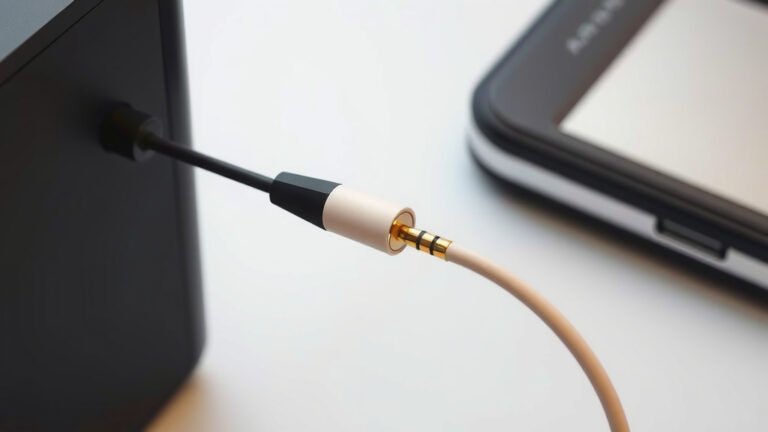
Your High-Definition Multimedia Interface (HDMI) cables connect your streaming devices, gaming consoles, or Blu-ray players to your TV. If an HDMI cable is loose at either end, you’ll likely see flickering or brief signal losses. Sometimes, the cable itself might be faulty. We’ve all had a cable go bad on us, right?
- Ensure your HDMI cable is firmly plugged into both the TV and your source device.
- Try unplugging and re-plugging the cable.
- If you have multiple HDMI ports, try a different one.
- Consider using a different HDMI cable if the problem persists.
Other Cable Checks
Don’t forget the power cord! A loose power connection can also cause your TV to flicker or even turn off unexpectedly. For older TVs, the coaxial cable that brings in your antenna or cable service might be the issue. Ensure it’s securely attached.
Power Issues: More Than Just a Plug
The power source for your TV is just as important as the cables. Even if everything looks plugged in, there can be hidden power problems causing your screen to act up.
Surge Protectors and Power Strips
Are you plugging your TV into a surge protector or power strip? These are great for protecting your electronics, but they can also fail. A failing surge protector might not deliver a consistent amount of power to your TV. Many experts recommend plugging sensitive electronics directly into a wall outlet to rule this out (Cleveland Clinic).
If your surge protector is old or has been tripped before, it might be the source of your flickering. Try plugging your TV directly into a wall outlet. If the flickering stops, you know it’s time to replace your surge protector.
Wall Outlet Problems
While less common, a faulty wall outlet can also be the cause. If you notice flickering only when the TV is plugged into a specific outlet, it might be time to have an electrician check it out. This is especially true if other devices also behave strangely when plugged into that same outlet.
Software and Settings: The Brains of Your TV
Sometimes, the issue isn’t with the hardware at all. Your TV’s internal software can sometimes glitch, leading to visual problems like flickering.
Outdated Firmware and Software Glitches
TV manufacturers regularly release software updates, or firmware, to fix bugs and improve performance. If your TV’s software is out of date, it might have a bug that causes the screen to flicker. Checking for updates is a relatively simple process for most smart TVs.
Consult your TV’s manual or the manufacturer’s website for specific instructions on how to check for and install updates. It’s often found in the settings menu under “Support,” “System,” or “About.” This is a quick fix that can often resolve many display anomalies.
Picture Settings Interference
Certain picture settings, especially those related to motion smoothing or dynamic contrast, can sometimes cause visual artifacts or flickering. If you’ve recently changed your picture settings, try resetting them to the default or “standard” mode. This can help you determine if a specific setting is the culprit. Certain picture settings can sometimes cause visual artifacts or flickering; our guide helps fix TV picture quality.
External Interference: Unseen Disruptions
Did you recently install a new gadget near your TV? Some electronic devices can actually interfere with your TV’s signal, causing unexpected flickering.
Devices that emit electromagnetic fields, such as microwaves, certain types of lighting, or even some Wi-Fi routers, can sometimes cause minor disruptions. Try turning off or moving any new electronic devices near your TV to see if the flickering stops. This is often overlooked, but it’s a surprisingly common cause for some users.
Internal TV Issues: When It’s More Serious
If you’ve tried all the external checks and your TV is still flickering, the problem might be with the TV’s internal components. These issues are usually more complex and may require professional attention.
Backlight Problems
Many modern TVs use LED backlights to illuminate the screen. If one or more of these LEDs start to fail, it can cause the screen to flicker or dim unevenly. This often appears as patchy dimming or a general flicker across the entire screen.
Internal Hardware Failures
Other internal components, such as the power supply board or the main board, can also fail. When these parts malfunction, they can send inconsistent signals to the screen, resulting in flickering. Research from electronics repair sites indicates that these types of failures often require professional diagnosis and repair.
Here’s a quick checklist to help you narrow down the cause:
- Check all cable connections (HDMI, power, coaxial).
- Try a different HDMI cable.
- Plug the TV directly into a wall outlet, bypassing any surge protector.
- Perform a software update for your TV.
- Temporarily move or turn off other electronic devices near the TV.
- If the issue persists, consider a factory reset If the issue persists, consider a factory reset; our guide shows how to reset your TV. of your TV settings.
If none of these steps resolve the flickering, it might be time to contact the TV manufacturer or a qualified repair technician. Sometimes, the problem is just a bit more stubborn than a loose wire!
“`Conclusion
We know how frustrating a flickering TV can be, but you’ve got this! You’ve learned that most flickering screens can be fixed with a few simple checks. From ensuring your cables are snug to updating your TV’s software, these steps often solve the problem. Remember to bypass your surge protector and try a different cable if needed. If you’ve tried everything and the flicker persists, it might be time to contact a professional, but don’t give up hope just yet. Your next step is to systematically go through the troubleshooting tips we’ve outlined.
Frequently Asked Questions
Will unplugging my TV for a minute fix the flickering?
Yes, unplugging your TV for about 60 seconds can sometimes resolve minor software glitches. This process, often called a power cycle, allows the TV’s internal components to reset. Make sure to press and hold the power button on the TV itself for a few seconds after unplugging to discharge any residual power.
How often should I update my TV’s firmware?
You should check for firmware updates for your TV at least once every few months. Manufacturers release these updates to fix bugs and improve performance, so keeping your TV updated can prevent issues like screen flickering. Many smart TVs can be set to check for updates automatically.
Can a faulty remote control cause my TV to flicker?
It’s highly unlikely that a faulty remote control would cause your TV screen to flicker. Remote controls communicate with the TV via infrared signals or Bluetooth, which typically affect functions like changing channels or volume. Screen flickering is usually related to power, signal, or internal display issues.
Is it safe to use my TV if it’s flickering intermittently?
It is generally safe to use your TV if it’s flickering intermittently, but it’s not ideal for viewing. While it might not cause immediate damage, persistent flickering can sometimes indicate an underlying issue that could worsen over time. Addressing the flicker promptly is best for your viewing experience and the TV’s longevity.
Should I try a factory reset before calling for repairs?
Yes, performing a factory reset is a good troubleshooting step before contacting a repair technician. A factory reset will restore your TV’s settings to their original default state, which can often resolve persistent software-related flickering. Be aware that this will erase any personalized settings you’ve made.