OLED vs QLED: Which TV Tech Is Best for You
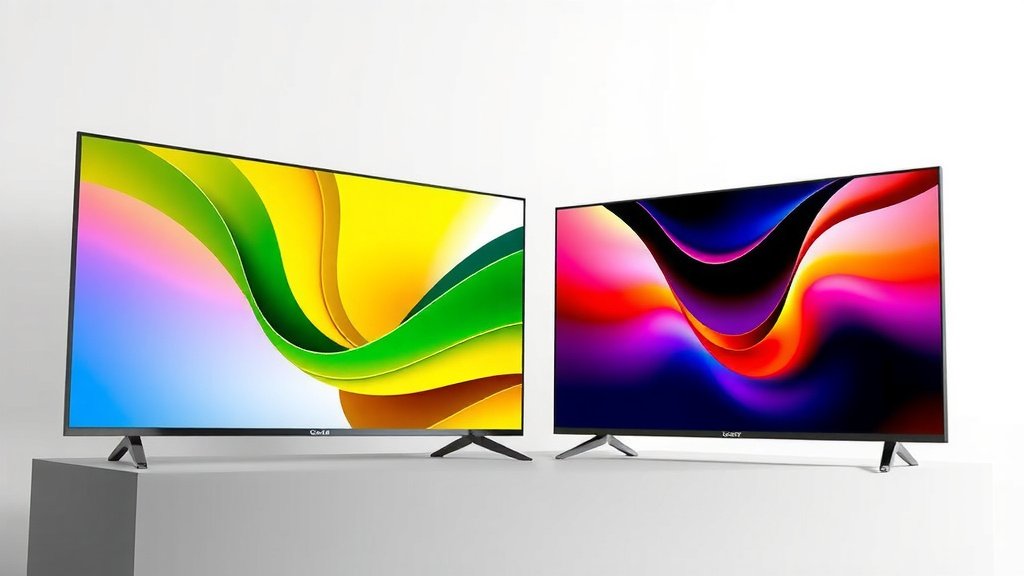
When choosing between OLED and QLED TVs, OLED generally offers superior picture quality, especially in dark rooms, due to its perfect blacks and infinite contrast. QLED TVs, on the other hand, can get brighter and often provide a Our guide to choosing a TV for dark rooms explains which technologies excel in low light.wider color gamut at peak brightness, making them a strong contender for well-lit spaces. Ultimately, the best choice depends on your viewing environment and preferences.
Both OLED and QLED technologies represent the pinnacle of modern TV display innovation, but they achieve their impressive visuals through fundamentally different methods. We found that understanding these core differences in how they produce light can help you decide which screen will best suit your living room and viewing habits. Think of it like choosing between a fine-dining steak and a perfectly grilled burger – both are delicious, but in different ways!
- OLED offers perfect blacks and infinite contrast for amazing dark room viewing.
- QLED TVs shine brighter and can produce vibrant colors, great for sunny rooms.
- OLED pixels light themselves, leading to incredible detail and color accuracy.
- QLED uses quantum dots to enhance light from a backlight for brighter images.
- Your room’s lighting is a key factor in deciding between OLED and QLED.
So, ready to figure out which display technology is your perfect match? Let’s break down OLED vs. QLED and see which one deserves a spot on your wall.
Conclusion
You’ve seen how OLED and QLED TVs paint different pictures. OLED masters dark rooms with perfect blacks and infinite contrast, creating a truly cinematic experience. QLED shines in bright spaces, offering remarkable brightness and vibrant colors. We found that your room’s lighting is your biggest clue. Think about where you’ll place your TV and what kind of content you watch most. Your next step is to visit a store and see these technologies side-by-side. This personal viewing experience will confirm which one is the right fit for your home.

Frequently Asked Questions
Will an OLED TV look good in a bright room?
OLED TVs can still look great in bright rooms, but they might not be the absolute best choice. Their strength is in dark environments where their perfect blacks truly shine. In a very bright room, you might notice reflections more than on a QLED set.
Are QLED TVs good for watching movies at night?
Yes, QLED TVs are certainly good for watching movies at night. While they don’t achieve the perfect blacks of OLED, modern QLEDs have excellent black levels and contrast. They provide a vibrant and engaging viewing experience, even in darker settings.
Which type of TV is better for gaming, OLED or QLED?
Both are fantastic for gaming, but each has slight advantages. OLED offers incredible response times and near-infinite contrast, making motion look incredibly smooth and dark scenes detailed. QLED’s higher brightness can be beneficial for HDR gaming in brighter rooms.
Do OLED TVs have a risk of screen burn-in?
Screen burn-in is a potential concern with OLED technology, though it’s much less common now. It can happen if static images are displayed for very long periods. Modern OLED TVs have built-in features to prevent or minimize this risk.
How do quantum dots in QLED TVs affect picture quality?
Quantum dots are tiny semiconductor crystals that emit specific colors when hit by light. In QLED TVs, they enhance the color purity and brightness coming from the LED backlight. This results in more vibrant and lifelike colors, especially at higher brightness levels.